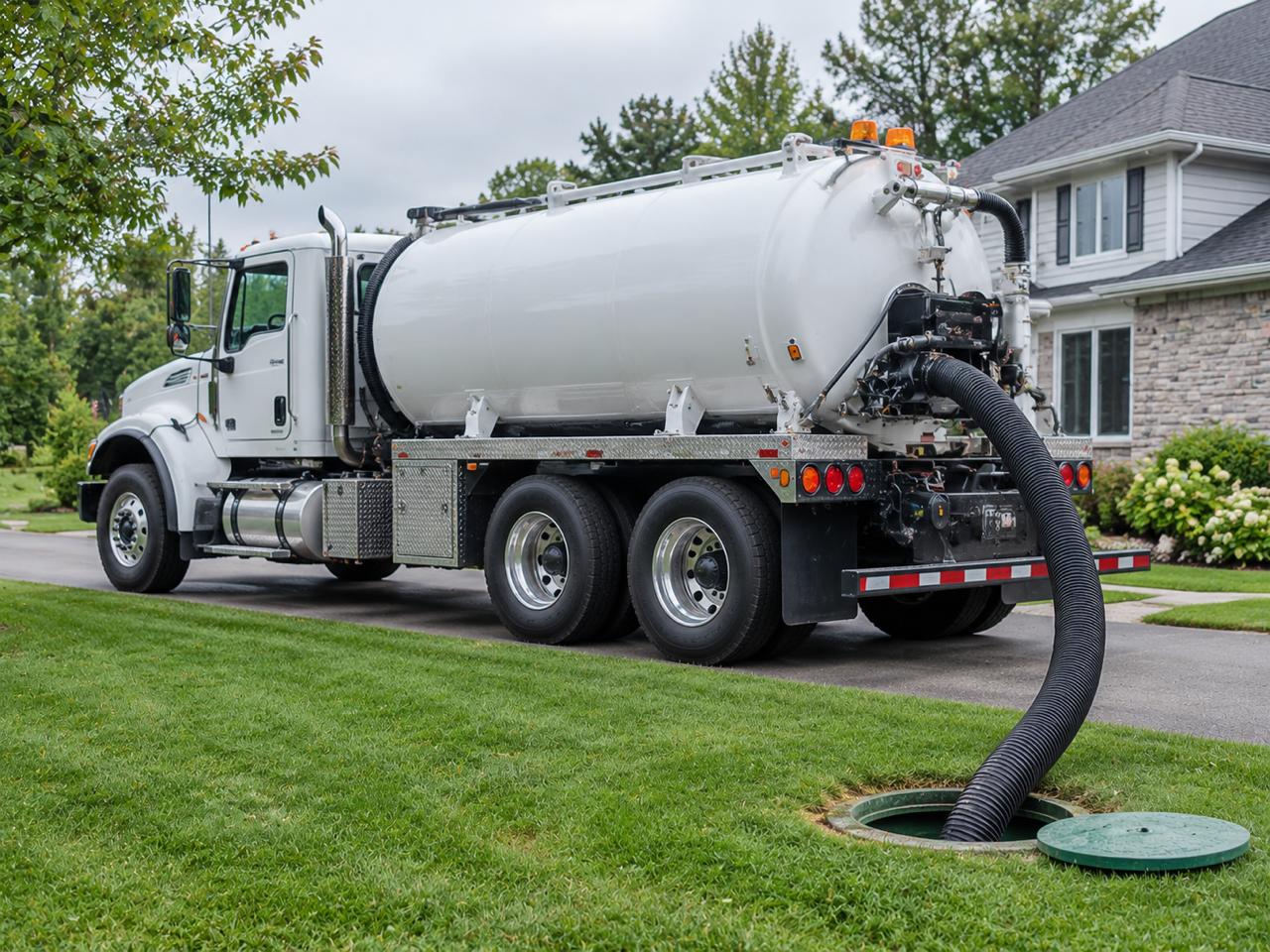
Septic and Vacuum Truck Financing
Financing for pumpers, combination sewer cleaners, hydro excavation units, portable restroom trucks, grease-trap pumpers, and industrial vacuum and liquid-waste equipment, new or used.
iLease Capital arranges financing for new and used septic and vacuum trucks, including septic pumpers, sewer cleaners, hydro excavation units, and industrial vacuum equipment.
Who uses septic and vacuum truck financing?
Septic pumping contractors need equipment that can work through a residential route, handle hose runs, and reach an approved disposal point without losing the day to unnecessary travel. Commercial septic and holding-tank service puts more emphasis on tank capacity, customer access, and recurring service commitments. Portable sanitation companies have a different pattern: many short stops, waste removal, fresh-water replenishment, and scheduled service for construction sites or events.
Grease-trap service businesses operate around restaurant access windows, interceptor conditions, and approved waste outlets. Combination sewer-cleaning operators need high-pressure jetting and vacuum recovery in one coordinated truck. Hydro excavation and utility contractors use water and vacuum systems for controlled excavation around infrastructure. Municipal sewer contractors may need to match the truck to formal bid requirements, while industrial liquid-waste haulers need equipment suited to the material they collect and the plant where they work.
The financing question starts with the actual assignment. A truck that works well for residential septic calls is not automatically a good choice for a utility excavation crew. We evaluate the purchase as an operating asset, including the equipment configuration, the operator's business, and the reason the truck is being acquired.
Which trucks and configurations are covered?
The category includes septic pumper trucks, combination sewer cleaners, hydro excavation trucks, portable restroom service trucks, grease-trap pumpers, industrial vacuum loaders, and liquid-waste tankers. It also includes used units where the body and chassis have already seen years of service. Buyers can bring a dealer quote or a documented private-seller transaction.
Start with the body and working equipment, not only the chassis brand. Tank material and condition, vacuum system type, water systems, hose and reel arrangement, discharge method, and auxiliary power all affect what the truck can do. A combination cleaner adds jetting equipment and a debris body. A hydro excavation truck adds water-delivery controls, boom requirements, and sometimes heated water. An industrial vacuum loader may include separation and filtration equipment that is central to its intended use.
A useful purchase package identifies the truck, seller, chassis, body, working systems, condition, and intended application. It also identifies any accessories or components that are not part of the sale. The more specialized the equipment, the more important it is to describe the complete configuration accurately.
How do financing structures fit the work?
iLease Capital is a broker, not a lender, and places deals with a network of 50+ lenders. A $1 buyout lease is one way to structure an equipment acquisition with ownership at the end of the agreement under its terms. An FMV lease uses a different end-of-term arrangement. An equipment finance agreement is another available acquisition structure. The right comparison is based on the proposed asset, the business, and the lender's actual terms, not a slogan about one structure being universally better.
Sale-leaseback addresses a different need. A business that already owns a suitable septic or vacuum truck can seek cash from that owned asset through a sale-leaseback transaction, subject to lender review. This is not the same as financing a truck the company is about to buy. Clear ownership and asset documentation matter.
For a purchase, tell us whether the truck is new or used, whether the seller is a dealer or a private party, and whether the transaction is a replacement, an expansion, or a new service line. For an owned-asset transaction, describe the truck already in the fleet and the business purpose of the cash-out.
New versus used: what changes in the review?
New equipment offers a defined current configuration and seller documentation, but buyers still need to confirm what is included and how the truck will be delivered, inspected, and placed in service. A newly built truck may involve a separate chassis and body installation, so the final package must be clear. Ask the seller for an itemized quote and delivery scope.
Used equipment adds condition risk. A low-mileage chassis can still have extensive auxiliary-system use. A clean exterior can conceal a neglected pump, damaged tank, corroded fittings, or an incomplete service history. Request both chassis and body records. A specialist inspection is particularly important for combination sewer, hydro excavation, and industrial vacuum units, where several expensive systems must work together.
Used private-party purchases require a documented ownership transfer. Verify title and lien status, equipment identity, and what is included in the sale. Do not treat a seller's verbal description as a substitute for records. See Used Septic and Vacuum Truck Financing for a detailed inspection checklist.
What do lenders look at on a septic or vacuum truck?
The chassis matters: age, mileage, service records, roadworthiness, and applicable weight and DOT requirements all help define the asset. The body matters too. Review tank size and material, corrosion, structural condition, mounting, discharge hardware, and any repairs. On the working system, examine the vacuum pump or blower, seals, hoses, valves, filtration where applicable, and auxiliary operating history.
For a sewer cleaner, add jetting pumps, water tanks, hose reels, debris handling, and controls. For hydro excavation, consider boom condition, hydraulics, water systems, and winter equipment. For portable sanitation, consider waste and fresh-water compartment design and service-route suitability. For industrial waste, document the material the equipment is designed to handle and any required certifications or operating permissions.
Lenders also review the business. A contractor replacing a truck on a working route has a different operating story from a company entering a new market. Describe the operator's experience, existing service work, disposal access, and why the proposed truck fits the plan. Equipment value alone does not explain whether the purchase makes business sense.
How does disposal access affect the purchase?
Waste collection is not finished when the tank is full. The truck has to reach an authorized receiving facility, unload correctly, and return to productive work. Septic waste, grease interceptor material, industrial liquids, and other recovered substances can have different acceptance and handling requirements. Confirm the receiving facility and its conditions before relying on a route plan.
Travel distance, operating hours, queue times, and the type of waste accepted affect the truck's daily utilization. A larger tank does not solve a disposal bottleneck. Nor does a multi-purpose vacuum unit automatically qualify to carry every material. Local rules, facility requirements, and the actual truck configuration control what can be done.
For a buyer, the strongest equipment choice is one that fits both the service call and the disposal leg. Include that complete cycle when estimating the truck's role in the business.
Can a new septic business apply?
Yes. Startups and newer businesses are considered case by case. A new company needs to explain who will operate the truck, which services it is prepared to provide, where waste will be accepted, and what customers it expects to serve. Relevant prior experience, required licenses or registrations, and a realistic route plan make the request easier to understand.
Choose the first truck around the initial service plan. Buying a specialized unit for work the company is not yet authorized or equipped to perform creates unnecessary risk. A used truck may suit a new operator, but inspection and maintenance planning are especially important when there is no backup vehicle.
Read New Septic Business Truck Financing for a focused preparation checklist.
How to compare equipment before signing a purchase agreement
Request the seller's written equipment description, chassis identification, photographs, condition details, maintenance history, and a complete list of included components. For used units, arrange an appropriate specialist inspection. For new units, verify build scope, delivery arrangements, and what the seller is responsible for supplying. Confirm title, liens, and ownership authority in a private sale.
Then compare the truck with the actual work. Can it enter the sites? Is the tank suitable for the material? Are the pumps, water systems, and discharge arrangements appropriate? Does the operator have access to service and replacement parts? Can the company use an approved disposal facility? Does the route or contract justify the capacity?
A financing review works best when those operational questions have clear answers. It prevents an attractive listing from becoming an expensive mismatch.
How the financing process works
Apply. Start at ileasecapital.com/apply with the business and equipment information available.
Review. iLease evaluates the transaction as a brokerage request and works through its lender network. We start with a soft inquiry to review your profile. A full credit review may be part of final approval once you move forward with a lender.
Terms. Review the available structure and actual lender documentation for the proposed equipment.
Funding. Complete the lender's requirements and documented transaction process. Financing remains subject to lender review and approval. Call (866) 545-3273 to discuss a septic or vacuum truck purchase.
Frequently asked questions
What types of septic and vacuum trucks can iLease finance?
iLease arranges financing for septic pumpers, combination sewer cleaners, hydro excavation trucks, portable restroom service trucks, grease-trap pumpers, industrial vacuum loaders, and liquid-waste tankers.
Can I buy a used vacuum truck from a private seller?
Yes. New and used equipment from dealers or private sellers is considered. A private sale needs clear ownership and transaction documentation.
Can I use a truck I already own to obtain cash?
Sale-leaseback is an available structure for qualifying owned trucks, subject to lender review of the asset and transaction.
What equipment condition information is useful?
Provide chassis details, mileage, tank and pump information, maintenance records, photographs, and an inspection report when available.
Can a startup septic contractor apply?
Yes. Startups and newer businesses are considered case by case. Operator experience, disposal access, permissions, and the first-truck plan are useful context.
Does iLease lend the money directly?
No. iLease Capital is a broker, not a lender. It places deals with a network of 50+ lenders.
How is credit reviewed?
We start with a soft inquiry to review your profile. A full credit review may be part of final approval once you move forward with a lender.
Where do I apply or call?
Apply at https://ileasecapital.com/apply or call (866) 545-3273.
Related financing guides
Explore financing by truck type:
- Septic Pumper Truck Financing
- Combination Sewer Cleaning Truck Financing
- Hydro Excavation Truck Financing
- Portable Restroom Service Truck Financing
- Grease Trap Pumper Truck Financing
- Industrial Vacuum and Liquid Waste Truck Financing
- Used Septic and Vacuum Truck Financing
- New Septic Business Truck Financing
- Trucking Equipment Financing
Shop by brand:
- Vactor Truck Financing
- Vac-Con Truck Financing
- Super Products Truck Financing
- Keith Huber Truck Financing
- Imperial Industries Truck Financing
- Satellite Restroom Service Truck Financing
Shop by model:
Financing a Septic or Vacuum Truck?
let's structure it correctly.
Review your identified truck and seller quote with iLease Capital and its network of 50+ lenders. Ask about the proposed acquisition and required documents before committing. All financing is subject to approval.
(866) 545-3273Questions about financing a septic or vacuum truck? Talk directly to a specialist who knows the equipment, no call centers.
All financing subject to credit approval. Not a commitment to lend.